Baseball Leopard Varsity PNG: Elevating Sports Apparel with Bold Typography
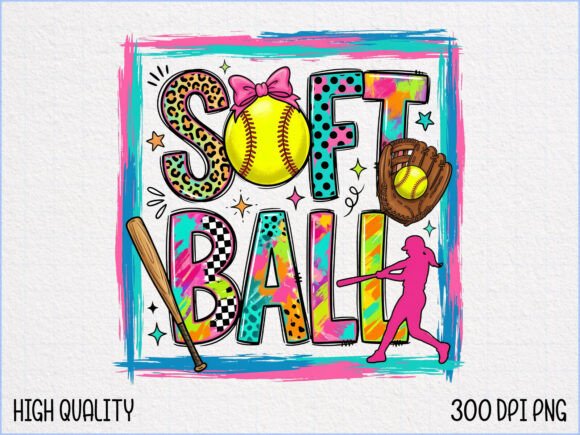
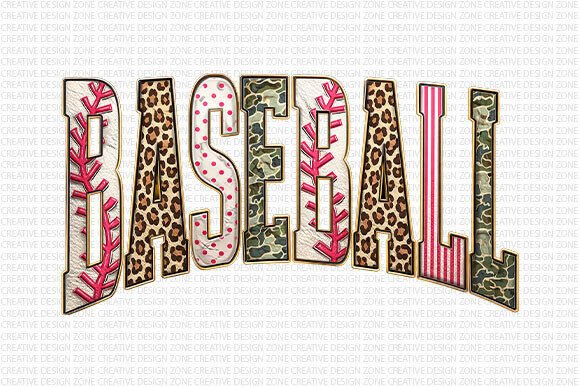
Create bold and sporty designs with this stylish Baseball Varsity PNG Design, a graphic asset that merges traditional athletic aesthetics with contemporary fashion trends. This eye-catching artwork features large “BASEBALL” lettering filled with trendy patterns, including leopard print, camo textures, polka dots, stripes, and baseball stitching details. The mix of textures gives it a modern, athletic, and fashionable look perfect for baseball lovers who want gear that stands out from standard block-letter merchandise. However, simply owning the file does not guarantee a professional result. Understanding how to properly utilize a Baseball Leopard Varsity PNG is essential for avoiding common production pitfalls that can ruin prints or waste materials.
This high-resolution PNG file with a transparent background ensures crisp, professional-quality printing for both digital and physical projects. The dynamic typography and layered patterns make it ideal for creating standout baseball apparel and team spirit designs. Whether you are designing baseball t-shirts, game day outfits, team supporter gear, mugs, tote bags, stickers, or print-on-demand merchandise, this design is perfect for creating trendy, high-converting products. Yet, many creators overlook technical specifications until after they have started production. By addressing these oversights early, you can ensure your final product matches the quality of the digital preview.
Common Mistakes When Using Patterned Typography Graphics
One of the most frequent errors when working with complex graphics like the Baseball Leopard Varsity PNG is assuming all transparent backgrounds are created equal. A true transparent PNG should have a clean alpha channel with no white halo or jagged edges around the intricate pattern fills. If you purchase or download a low-quality version, the leopard print and camo textures may appear pixelated or muddy when scaled up for an adult-sized sweatshirt. Always zoom in to 100% before adding the design to your canvas. If the stitching details look blurry on your screen at actual print size, they will look unprofessional on fabric. Prioritize files explicitly labeled as high-resolution and print-ready to maintain the integrity of the mixed textures.
Another significant misunderstanding involves color management across different printing methods. The vibrant mix of patterns in this varsity design looks stunning on a backlit monitor, but sublimation ink and vinyl behave differently than RGB screens. Beginners often fail to convert their workspace to CMYK or use the correct color profile for their specific printer and substrate. This oversight leads to dull leopard spots or washed-out camo greens. Before committing to a full production run, print a test swatch on your intended material. Adjust your saturation and contrast settings based on that physical sample, not your digital preview. This extra step prevents costly reprints and ensures the athletic aesthetic remains bold and impactful.
Sizing and Placement Errors on Apparel
When applying this bold typography to garments, placement is just as critical as image quality. A common mistake is centering the design mathematically rather than visually. Because the lettering contains dense patterns like polka dots and stripes, it carries significant visual weight. Placing it too low on a t-shirt can make the garment look unbalanced, while placing it too high can interfere with collar seams. For varsity-style lettering, the general rule is to position the top of the design three to four inches below the neckline for adult sizes. Always measure from the shoulder seam rather than the collar edge, as necklines vary between brands. Using a physical template or mockup generator helps visualize the scale before cutting vinyl or loading a shirt into a heat press.
Furthermore, creators sometimes ignore the interaction between the design’s internal patterns and the fabric texture. The Baseball Leopard Varsity PNG features detailed stitching and multi-layered textures that can get lost on heavily textured fabrics like pique mesh or ribbed knits. While the design works beautifully on smooth cotton tees and polyester performance wear, it may lack definition on rougher surfaces. Evaluate your blank apparel choice against the complexity of the graphic. If you must use a textured fabric, consider increasing the contrast within the design file or adding a subtle outline to separate the lettering from the background material. This proactive adjustment preserves readability and style.
Maximizing Versatility Across Different Products
This design is marketed as versatile, but versatility requires adaptation. Using the exact same file setup for a mug, a tote bag, and a hoodie ignores the unique constraints of each product. Curved surfaces like tumblers require distortion correction to prevent the lettering from appearing warped. Flat items like stickers need adequate bleed space for cutting machines. When using Cricut or Silhouette for decals, ensure the intricate inner patterns are welded correctly if you plan to cut the letters individually. Alternatively, treat the entire word as a single printable layer for sticker paper to preserve the detailed leopard and camo fills without weeding nightmares. Matching the application method to the product type is key to professional results.
- Check Resolution Early: Verify the DPI is at least 300 at your desired print dimensions before starting any project.
- Test Color Profiles: Print a small sample to calibrate colors for sublimation, DTG, or vinyl applications.
- Evaluate Fabric Compatibility: Ensure the pattern density suits the texture of your chosen blank apparel.
- Adjust for Curvature: Modify the layout for cylindrical items to maintain typographic balance.
- Verify Licensing: Confirm commercial usage rights if selling finished goods or print-on-demand products.
Ensuring Professional Quality in DIY and Commercial Projects
For those running small businesses or creating team merchandise, consistency builds trust. Relying solely on automated mockups can be misleading because they often apply generic shading that doesn't reflect real-world printing limitations. Invest time in photographing actual samples or using advanced mockup tools that allow texture mapping. This provides customers with accurate expectations and reduces return rates due to perceived quality issues. Additionally, keep your master files organized. Maintain separate versions of the Baseball Leopard Varsity PNG optimized for different outputs—one for dark garments with enhanced brightness, one for light garments with standard saturation, and one specifically sized for social media promotion.
Finally, never underestimate the importance of file compatibility. While this design works with Photoshop, Canva, Cricut, and Silhouette, each software handles transparency and scaling differently. In Canva, uploading a massive PNG might trigger automatic compression, degrading those fine stitching details. In cutting software, raster images may need conversion to vectors for certain effects. Understand your tool’s limitations and adjust your workflow accordingly. By treating this graphic as a professional asset rather than a simple clipart element, you unlock its full potential for creating trendy, high-impact sports-themed apparel, gifts, and DIY craft projects that truly resonate with baseball enthusiasts.